

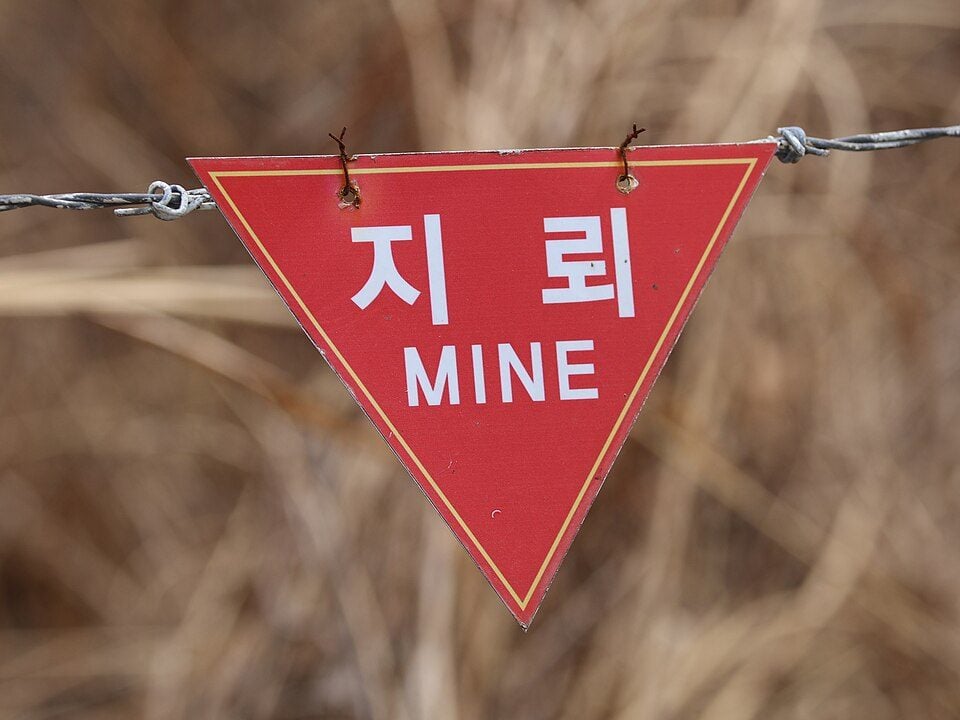
When people picture the DMZ, they imagine barbed wire, watchtowers, and soldiers. Wildlife is usually the last thing that comes to mind. And yet, here’s the beautiful irony at the heart of this place. A strip of land created for war has quietly become one of the most important nature sanctuaries in all of Asia.
I’ve spent years guiding visitors through this region, and the ecological side of the DMZ never stops fascinating me. So let me share 10 things you probably didn’t know about the wildlife thriving along the world’s most heavily fortified border.
1. It’s an Accidental Nature Reserve
Nobody planned this. For more than seventy years, since the Armistice in 1953, the DMZ has been almost entirely off-limits to humans. With people kept out, nature quietly moved back in. Forests regrew, wetlands flourished, and the land returned to something wild. It’s one of the most remarkable examples anywhere of what happens when we simply leave nature alone.
2. Endangered Cranes Spend the Winter Here
This is the one that captures people’s hearts. The DMZ and its surrounding areas are a crucial wintering ground for the red-crowned crane and the white-naped crane, two of the rarest crane species on the planet. These elegant birds, deeply symbolic in Korean culture as emblems of longevity and peace, depend on the quiet wetlands here to survive. There’s a poignant beauty in symbols of peace choosing to gather along a border defined by conflict.
3. It Shelters a Staggering Range of Species
Although exact counts vary between studies, researchers have documented a remarkable level of biodiversity across the DMZ and its adjacent zones, spanning hundreds of bird species, numerous mammals, fish, and a rich variety of plant life. For such a narrow band of land, the sheer abundance of life packed into it is extraordinary.
4. Rare Mammals May Roam Its Forests
The DMZ is believed to shelter mammals that are increasingly rare elsewhere on the peninsula, such as Asiatic black bears, musk deer, and various wild goats and deer. And then there’s the tantalizing question everyone asks me: could tigers or leopards still be out there? Amur leopards and tigers once roamed Korea, and while there’s no confirmed evidence of them surviving in the DMZ today, the very fact that the land is so untouched keeps that hopeful mystery alive.
5. The Landmines Protect the Wildlife
Here’s the darkest irony of all. Large stretches of the DMZ are heavily mined, which makes them lethal to humans. But those same minefields act as an invisible shield for the animals. Because people cannot enter, wildlife roams largely undisturbed. The very thing that makes this land so dangerous to us is precisely what has kept it so safe for nature.
6. It’s a Vital Stop on a Global Migration Route
The DMZ sits along the East Asian–Australasian Flyway, one of the world’s great bird migration corridors, used by millions of birds traveling between breeding and wintering grounds. For countless migratory species, the DMZ’s undisturbed wetlands offer a rare and precious place to rest and feed. In that sense, the significance of this land reaches far beyond Korea.
7. It Packs Wetlands, Forests, and Mountains Into One Strip
Part of what makes the DMZ so ecologically rich is its variety. Within a relatively narrow corridor, you’ll find wetlands, rivers, grasslands, dense forest, and mountainous terrain. That patchwork of habitats supports a far wider range of species than any single landscape could, which is a big reason the area is so biologically valuable.
8. Scientists Can Barely Study It
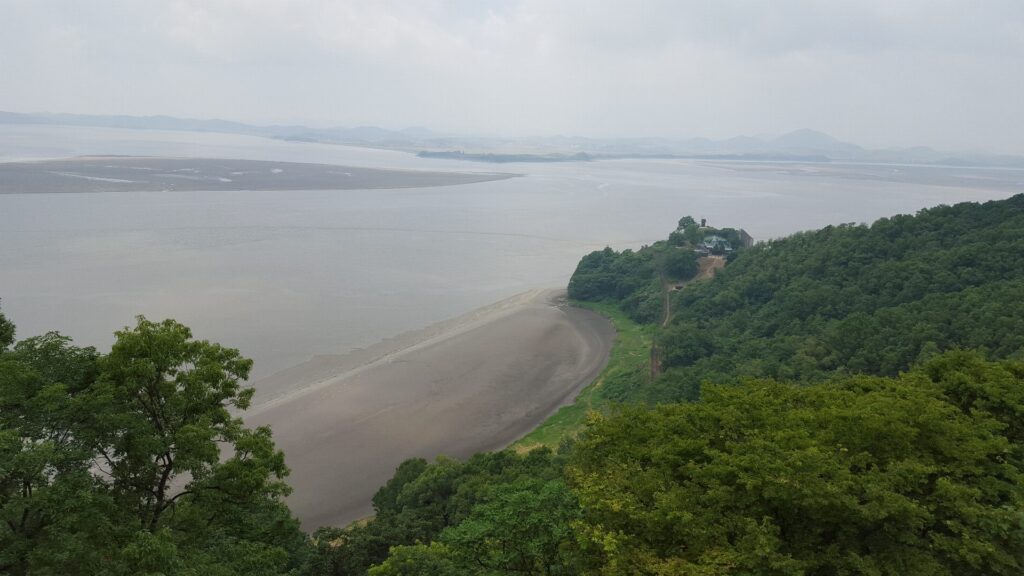
You’d think a place this important would be crawling with researchers, but the opposite is true. Access is so tightly restricted for security reasons that much of the DMZ remains scientifically unexplored. In many ways, we’re still discovering what actually lives here. It’s one of the last genuinely mysterious ecosystems in a heavily developed part of the world.
9. It Has Become a Global Symbol of Conservation and Peace
Over the years, conservationists, scientists, and even world figures have championed the idea of protecting the DMZ’s ecosystem, with proposals ranging from transboundary peace parks to international recognition of its ecological value. The vision is powerful: a place born of division becoming a lasting symbol of cooperation and preservation.
10. Its Future Hangs in the Balance
Here’s the bittersweet reality. If the two Koreas ever reconcile and the border opens, this pristine wilderness could face development, roads, and human activity for the first time in generations. The very peace that so many long for could threaten the sanctuary that conflict accidentally created. It’s a genuine dilemma, and one that makes protecting the DMZ’s nature more urgent than ever.
Come See It For Yourself
There’s something profoundly moving about life flourishing in a place built for war. To me, the DMZ’s wildlife is a quiet reminder that nature is patient, resilient, and always ready to reclaim what we step back from.
I should be honest with you: wildlife isn’t the main focus of our tour, and for safety reasons we’re restricted to certain areas. But as we cross the bridges and drive through the DMZ, and especially from viewpoints like Dora Observatory, you’ll get a real sense of this wild, untouched landscape stretching out toward the North. Our Third Tunnel DMZ Tour with JSA Experience brings the whole story of this extraordinary place to life, nature and history alike. I’d love to show it to you.