
JSA Tour: Panmunjom’s Joint Security Area
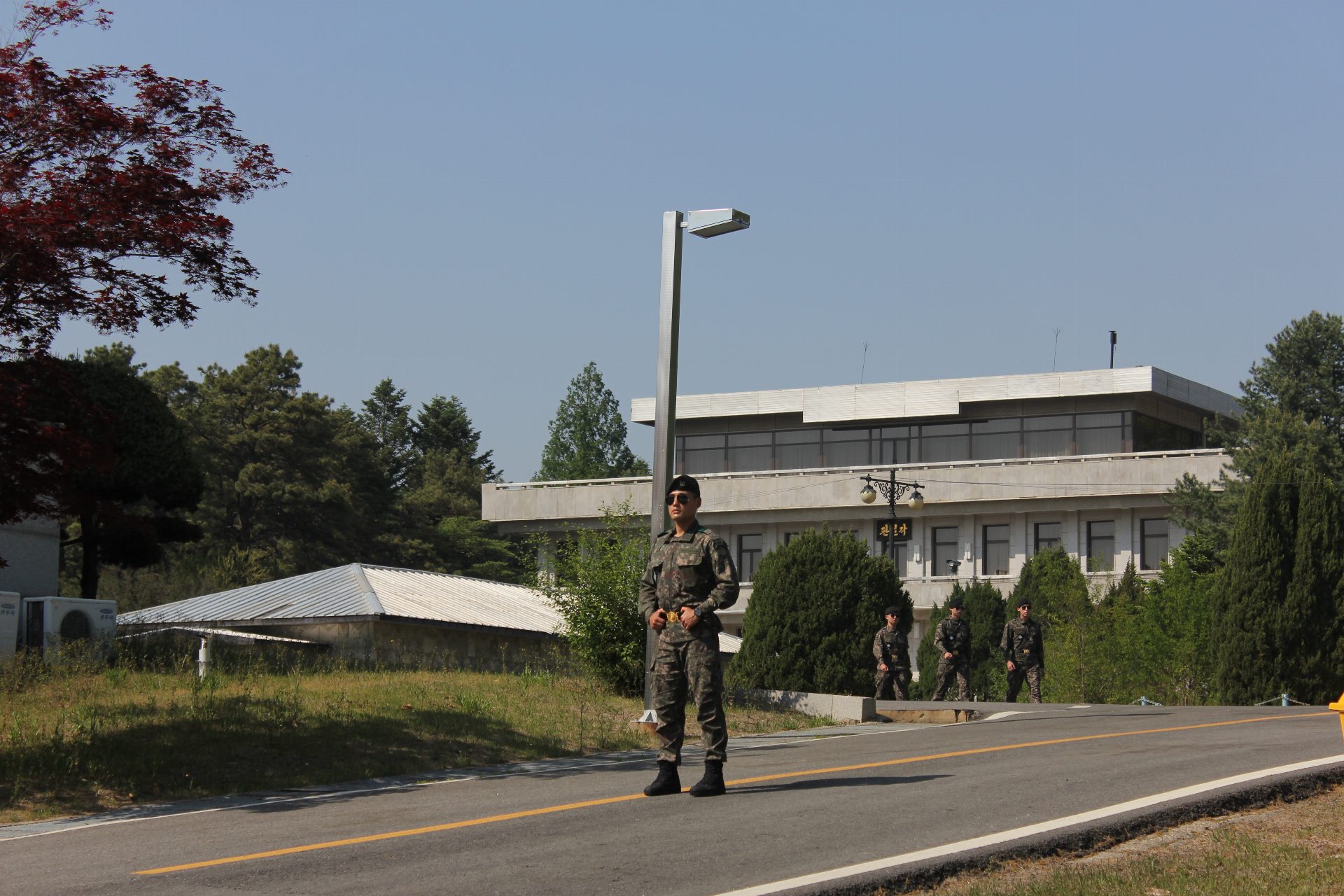
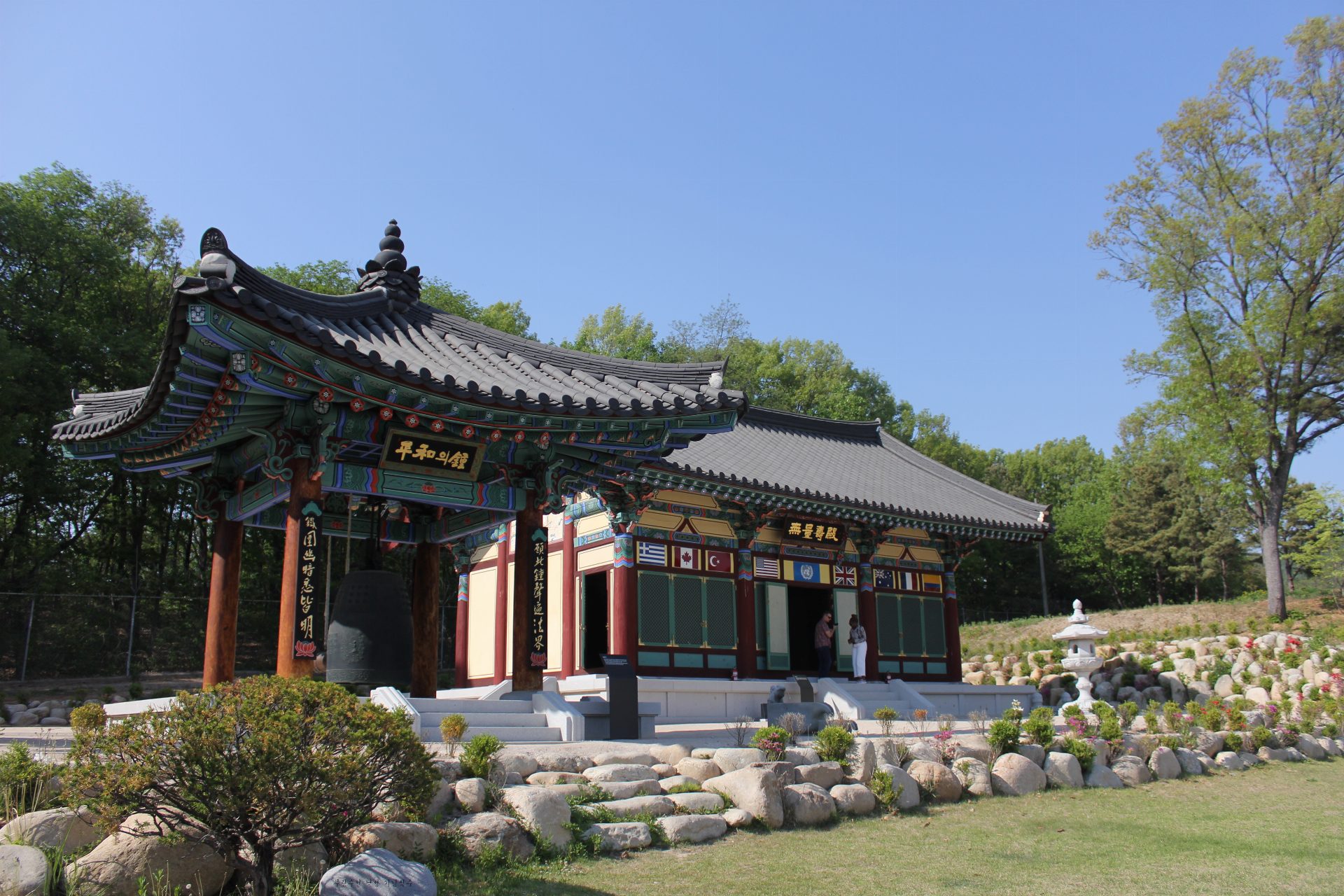
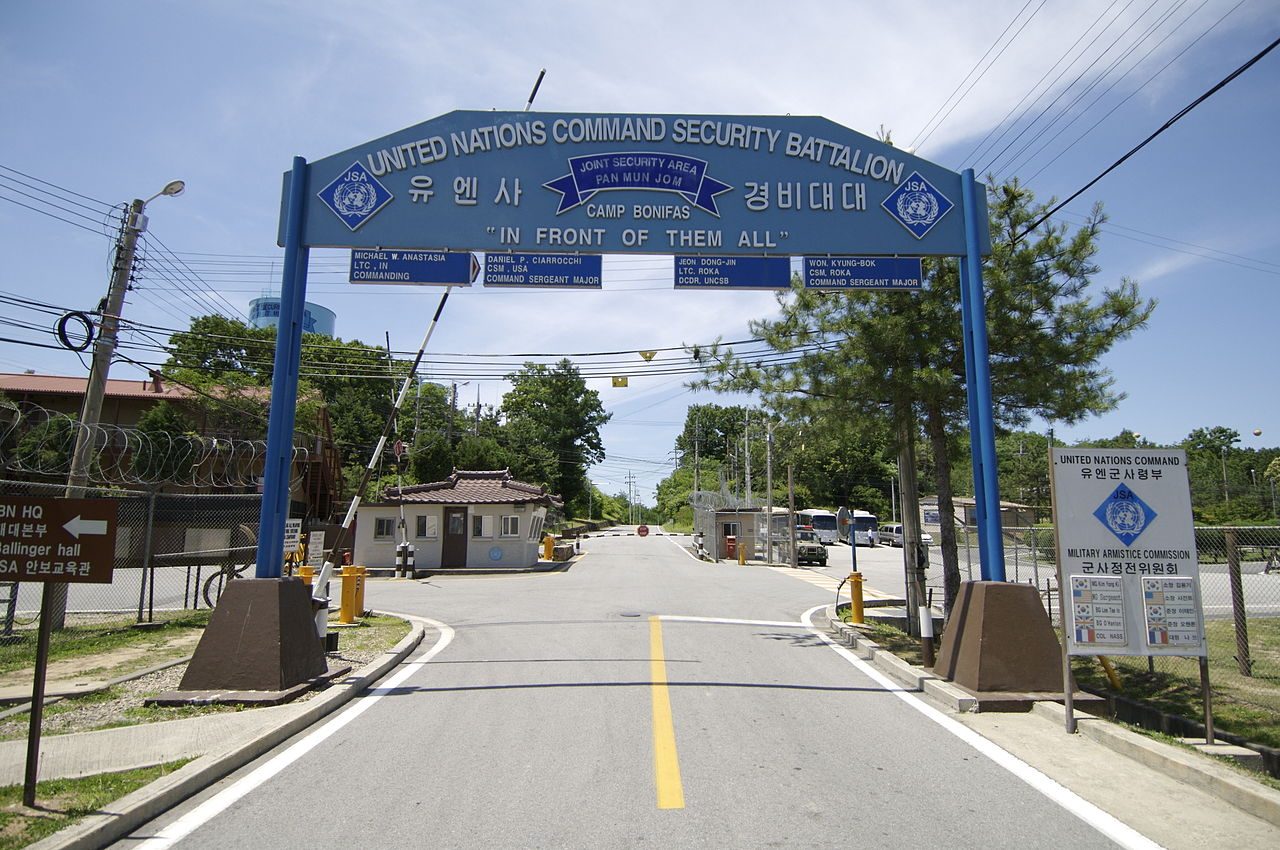
Enter the Joint Security Area, the neutral zone between North and South Korea, where diplomatic talks take place and border guards stand face-to-face. Get briefed at Camp Bonifas and feel the tension on our JSA tour from Seoul.
(121 Reviews)

JSA Tours Currently Unavailable
Please note that this tour is currently unavailable due to the Joint Security Area (Panmunjom) being closed to visitors. The JSA has remained closed to the public since an incident in July 2023, and we have no ETA for reopening. Instead, we recommend our most popular DMZ Third Tunnel tour from Seoul.
“An incredible tour iwon’t forget. Moon was a fantastic tour leader whose knowledge of the Korean war and carisma had no bounds. she answered all my husbands questions and had great english and people skills. I highly recommend this tour and guide Moon!”

Elizabeth
Adventurer
“Henry mad our trip to the JSA one we’ll never forget. He was entertaining, lovely and very knowledgeable. The tour is filled with so many things to see and do. The 3rd tunnel requires lots of energy but well worth it for those who are willing. 100% would do it again when visiting Seoul.”
Shelly P.
Adventurer
“Completely fulfilled my expectations and then some. Everything from booking, to transport and the guided tour itself was well managed and professional. Our guide was super knowledgeable about history, the DMZ and Korea War. Couldn’t ask for more!”
Julio
Adventurer
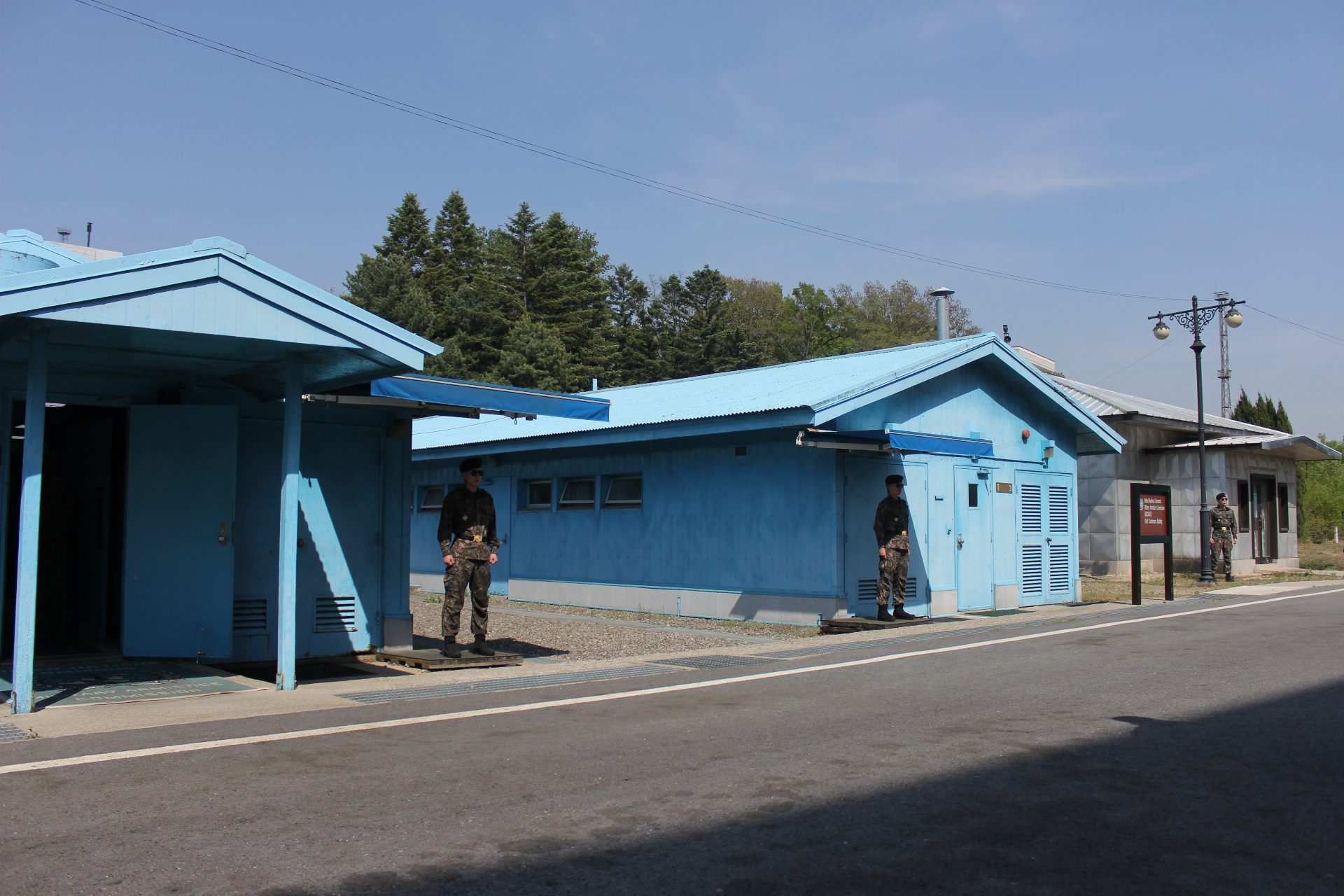
“Very eye-opening tour. Got to enter one of the tunnels dug by North Korea, enter one of conference buildings at JSA which crosses the demarcation line separating the two Koreas, and see the north South border guards facing off. Surreal experience and very interesting day.”
Graham.
Adventurer
About the tour
Want to see the North and South Korean border guards facing off along the Military Demarcation Line (MDL)? Would you like to cross the MDL and take a step into North Korea? Then this is the tour for you.
The Joint Security Area, also sometimes referred to as Panmunjom, is the only place where you can witness a standoff between North and South Korea and enter the blue UNCMAC conference buildings that overlap the MDL, allowing you to enter North Korea from the South.
In 1983, US President Ronald Reagan described his visit to the DMZ as “One of the most unforgettable experiences of my life”, while CNN described it as “One of the last relics of the Cold War”.
Itinerary
Myeongdong Subway Station
Our first meeting point is at Myeongdong Subway Station Exit 9, located in front of Sky Park Hotel Ⅲ (3). Please arrive 15 minutes early to avoid delays.
Seoul City Hall Subway Station
Meet us at City Hall Subway Station Exit 6. Exit 6 is located beside the Plaza Hotel. Please arrive 15 minutes before your scheduled pickup time.
Hongik University Station
Meet outside Hongik University (Hongdae) Subway Station Exit 4 (between AK Plaza and Shake Shack). Please try to arrive at least 15 minutes early.
Imjingak Pyeonghwa Nuri Park
Imjingak Pyeonghwa Nuri Park is a peaceful memorial site near the DMZ, featuring monuments, the Freedom Bridge, and green spaces for reflection. Visitors can explore war memorials and enjoy cultural events. Interestingly, it displays a rusted steam locomotive derailed and riddled with over 1,000 bullet holes during the Korean War.
The Third Tunnel of Aggression
The Third Tunnel of Aggression is a North Korean infiltration tunnel discovered in 1978 under the DMZ. Visitors may descend into the tunnel (if they wish) to walk through the damp passage and view concrete barricades blocking the border. The tunnel was not a small undertaking and was designed to allow 30,000 troops per hour to invade Seoul. North Korea claimed it was a coal mine, despite the absence of coal.
Dora Observatory
Dora Observatory offers panoramic views of North Korea from atop Mount Dora. Visitors use binoculars to spot the propaganda village, Kaesong city, and distant landscapes. Interestingly, it’s one of the best spots to glimpse the secretive North, including fake villages built to showcase prosperity.
Camp Bonifas
Camp Bonifas is the UN Command base supporting JSA security operations. Visitors tour the facility during guided visits and learn about armistice enforcement. The base was named after Captain Arthur Bonifas, killed in the 1976 Axe Murder Incident; it features a one-hole golf course surrounded by minefields.
Freedom House
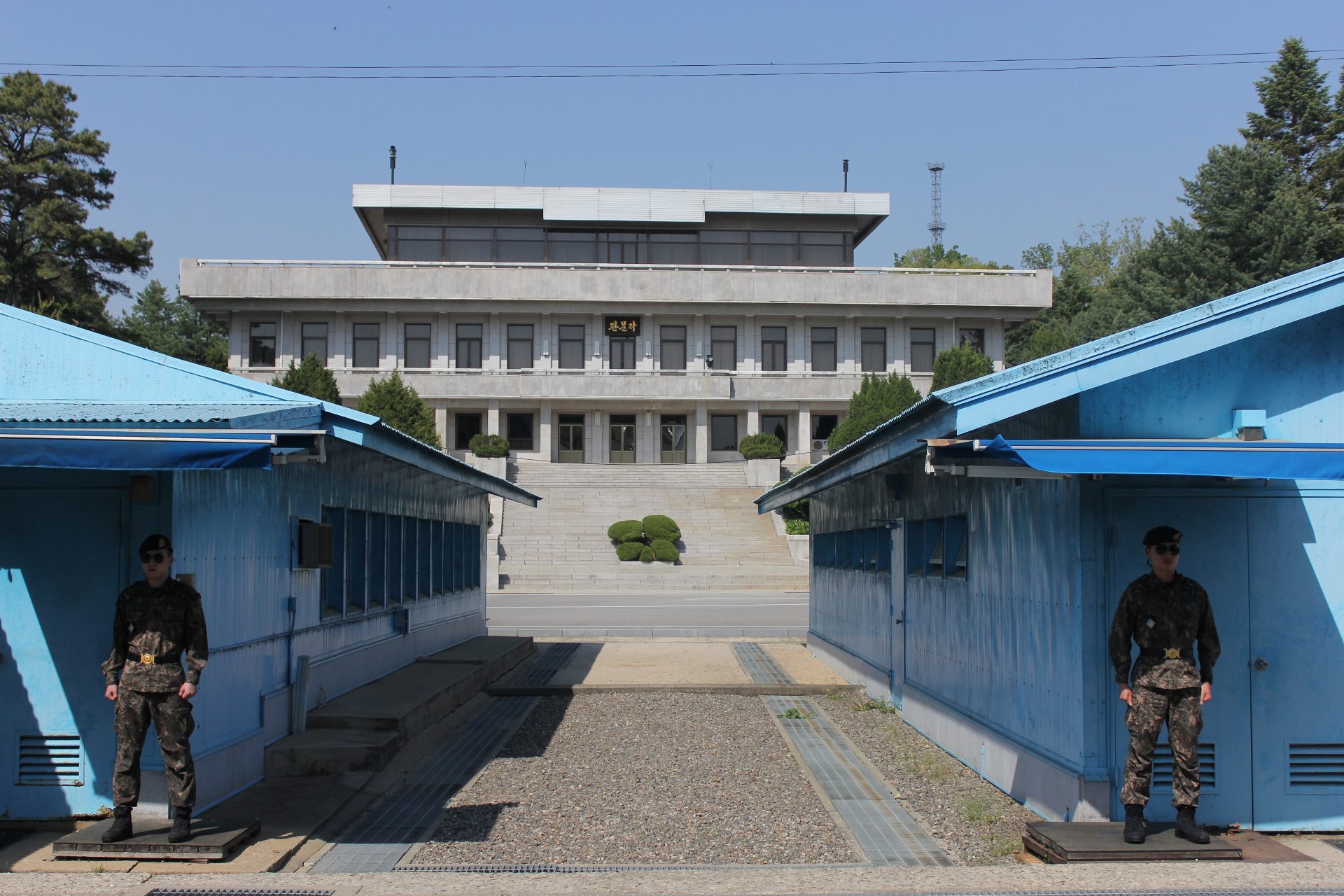
Freedom House is South Korea’s main facility in the Joint Security Area for inter-Korean communications and meetings. Visitors observe it from afar, symbolizing dialogue across the divide. Interestingly, rebuilt in 1998, it faces North Korea’s Panmungak directly across the Military Demarcation Line.
Military Armistice Commission Conference Room
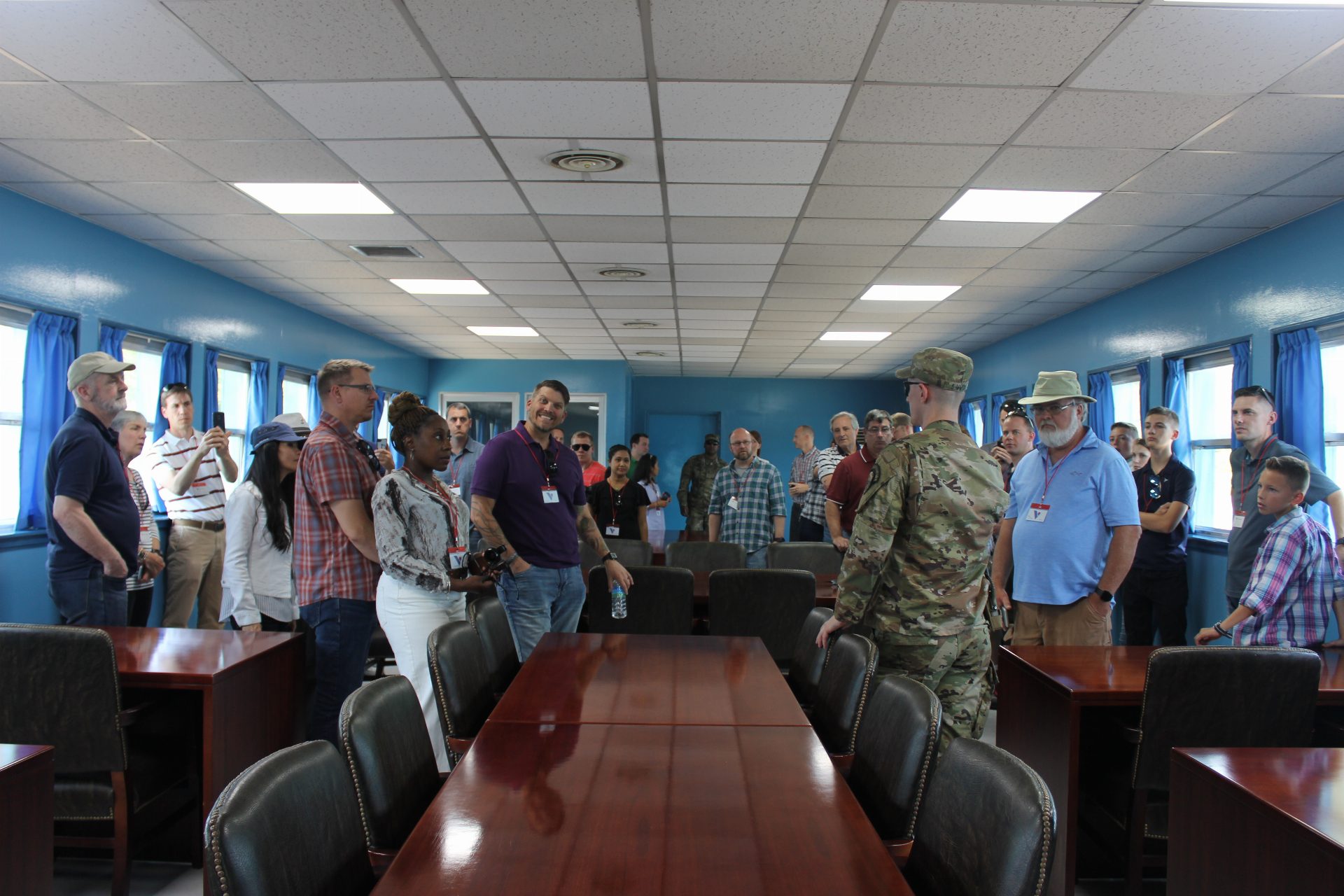
The Military Armistice Commission Conference Room consists of blue UN buildings straddling the border in the JSA. Visitors can enter to stand in North Korea briefly while guards watch. Look out for the conference table’s microphone line, which marks the exact Military Demarcation Line between the two Koreas.
Inter-Korean Peace House
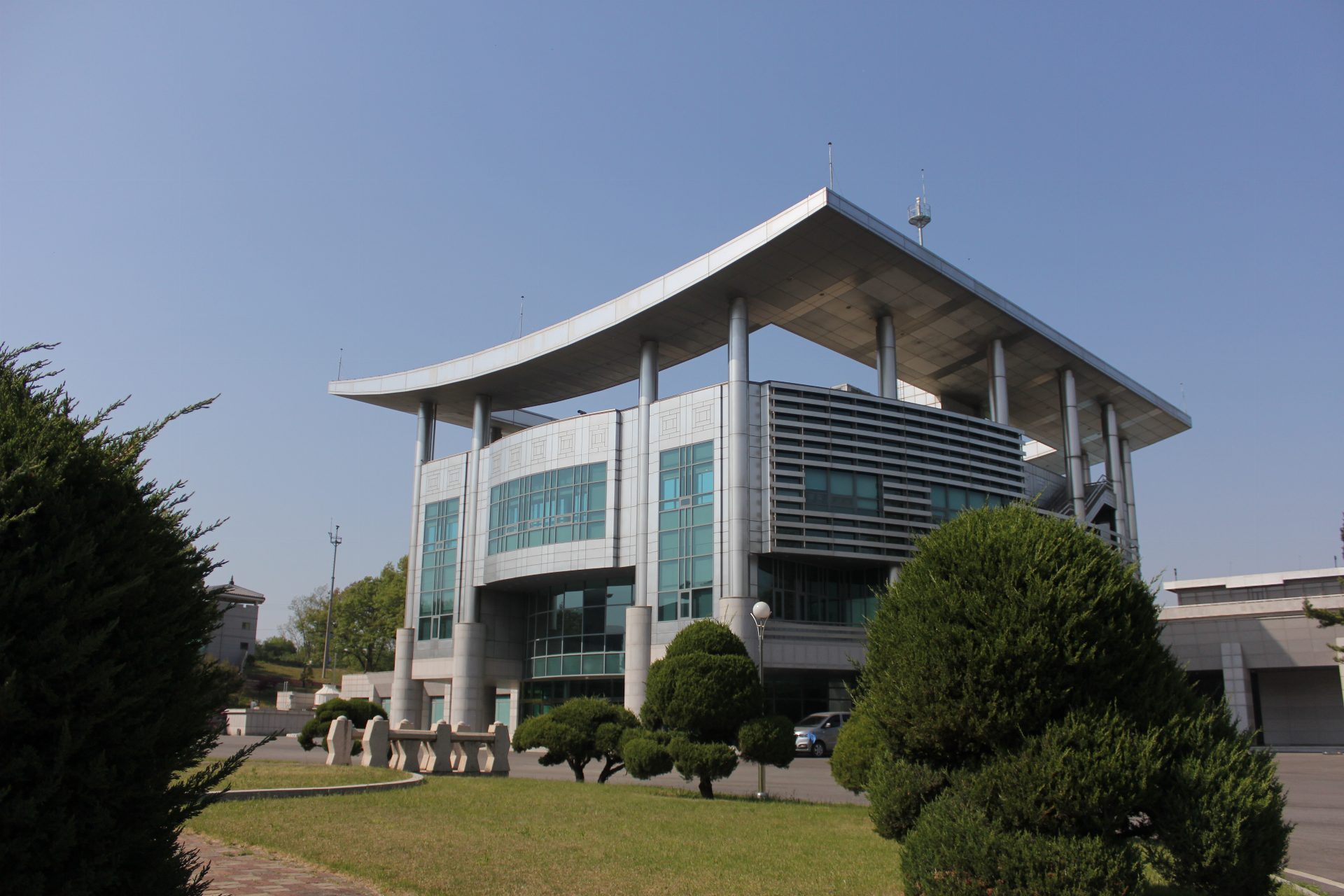
The Inter-Korean Peace House is a South Korean venue in the Joint Security Area used for high-level talks and summits. Visitors view its modern structure during tours. Interestingly, it hosted the historic 2018 inter-Korean summit where leaders Moon Jae-in and Kim Jong-un signed the Panmunjom Declaration for peace.
Tongilgak
Tongilgak is North Korea’s counterpart building to the Peace House, used for liaison and inter-Korean dialogues. Visitors observe it from the South side across the border. It has hosted numerous talks since the 1990s, including a 2018 summit meeting between the two Korean leaders.
Panmungak (Phanmun Pavilion)
Panmungak is North Korea’s iconic pavilion in the JSA, serving administrative and diplomatic functions. Visitors see it prominently facing South Korean structures. Interestingly, completed in 1969, it housed a liaison office for Red Cross talks, which began in 1971.
The Bridge of No Return
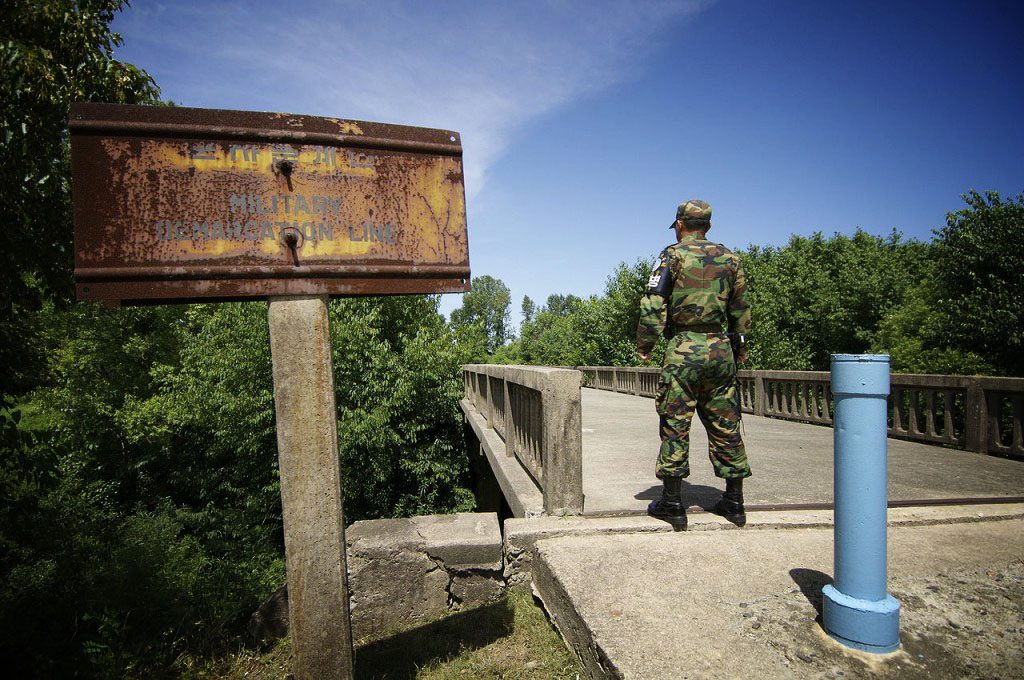
The Bridge of No Return spans the Military Demarcation Line in the JSA and was historically used for prisoner exchanges. Visitors view it from checkpoints, evoking the division’s history. The bridge got its unique name from the Prisoners Of War (POWs) choosing sides permanently here in 1953; crossing meant never returning.
The Bridge of 72 Hours
The Bridge of 72 Hours is North Korea’s access route into the Joint Security Area. Visitors observe it during tours as a symbol of rapid response. This bridge was hastily built in 72 hours after the 1976 Axe Murder Incident, when the original bridge was closed; it was therefore known as The Bridge of 72 Hours.
Seoul City Hall
Hop off at Seoul City Hall, a central hub for onward travel, with ample transportation options.
Tour Info
Includes
Professional Licensed Tour Guide
Round Trip Transportation
Entrance Fees & Taxes
Excludes
Meals/Food/Snacks
Drinks/Beverages
Additional Notes
Passport is required (You cannot enter without a passport)
Children must be 12+ years old and accompanied by a parent or guardian (no exceptions)
Strict Dress Code: Blue jeans are OK, but no sleeveless shirts, t-shirts without a collar, short pants, skirts, sandals, military-looking clothes, clothing with a country flag, name, or nationality on it
Not wheelchair accessible
Tour Highlights and USP

Dia says…
Did you hear about President Trump’s meeting with North Korea’s supreme leader, Kim Jong Un? Did you perhaps see the standoff between South Korean and North Korean border guards in front of the blue conference buildings on the news? If you are seeking to gaze upon the Military Demarcation Line, which separates North and South Korea, this is the tour for you. Just be aware it has a 12+ age restriction (no exceptions), requires advance booking (min 7 days), and has a strict dress code.
Free Cancellation 24hrs Before Tour
Requirements
A passport is required to enter the DMZ and Joint Security Area (ARC & Military ID also accepted)! Entry will be refused at military checkpoints without it! Advanced booking required (min 7 days), spaces dependent.
Who is it for
12+ years old (no exceptions)
Children (12+) must be accompanied by a parent or guardian at all times
Korean War and history buffs
Visit the Third Infiltration Tunnel & Joint Security Area
Book TourRecommended
Related Tours

Best Seller
DMZ Third Tunnel Tour from Seoul + Exclusive JSA Experience Museum
Popular
Aegibong Tour: Closest Lookout to North Korea
Amazing Deal
The Ultimate DMZ GO Package Tour