

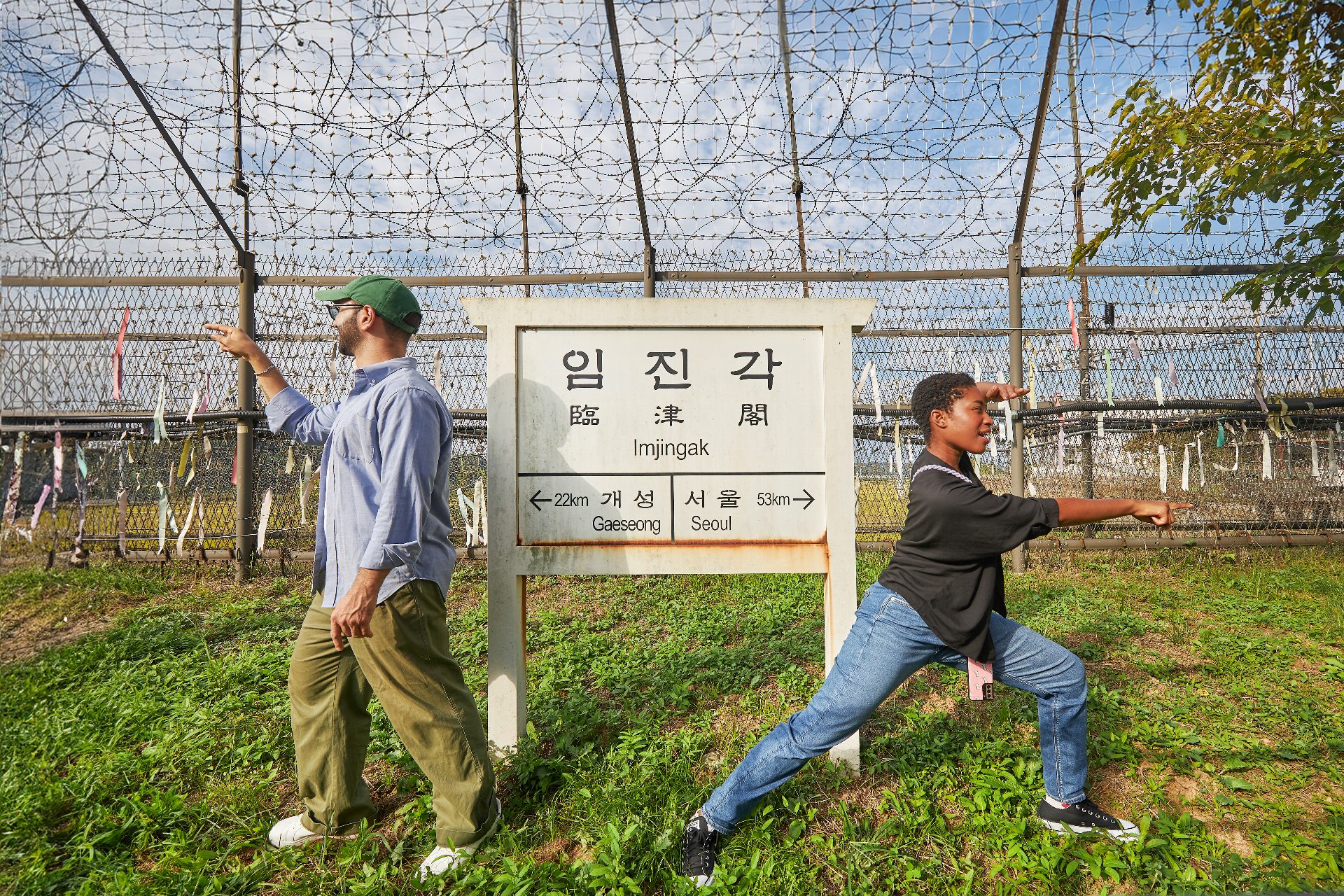
Hey there, traveler! I’m Dia, the CEO of our local DMZ tour agency here in Seoul. I’ve been running these tours for years because I truly believe this is one of the most powerful, eye-opening experiences you can have in Korea. Imagine standing at the edge of the world’s most tense border, peering into North Korea, walking through a secret infiltration tunnel, and feeling the weight of history right in front of you. It’s intense. It’s emotional. It’s unforgettable. And honestly? It’s a must-do on any Korea bucket list.
If you’re thinking about booking a DMZ tour, you’re in the right place. Let me walk you through exactly what happens on a typical full-day guided tour, so you know what to expect and why people leave saying, “Wow, I needed to see this with my own eyes.”
Booking & Preparation: Get Ready the Easy Way
First things first: book early! Spots go fast during peak season, and booking requirements vary depending on your desired tour and itinerary. You need a valid passport on the day (no exceptions). Make sure to bring it with you every step of the way, as you’ll need to show it at multiple military checkpoints.
Whether there is a dress code depends on the tour you choose. Any Joint Security Area (JSA) tour, or itinerary that includes the JSA, has a strict dress code (military rules, not ours). For these tours, avoid ripped jeans, sleeveless tops, tank tops, sandals, or anything that looks like a uniform. Closed-toe shoes are a must because you’ll walk a lot. Comfortable sneakers? Perfect. Pack light: camera or phone for photos where allowed, a light jacket (tunnels get chilly), and maybe some cash for souvenirs or snacks.
Pro tip: arrive on time for pickup. Demilitarized Zone tours have tight schedules due to the location’s sensitivity and military control. Tours usually start collecting folks from central Seoul around 7-8 AM and depart shortly after the bus arrives. Once you have found your bus, sit back and relax, your English-speaking guide will take care of everything and start sharing stories right away.
Typical Tour Schedule: A Full Day You’ll Never Forget
Expect to leave Seoul early and get back around 5-7 PM. The whole thing runs 8-10 hours, including travel, stops, and a lunch break. It’s a full day, but every minute packs a punch.
You’ll hit military checkpoints where soldiers check passports again. Stay calm, follow instructions, and enjoy the ride north. The scenery changes from city buzz to quiet countryside, then suddenly you’re in restricted territory. That shift alone gives you chills.
Key Stops & What You’ll See: The Heart of the Experience
This is where the magic happens, and every decent DMZ tour should include all these stops as a minimum. Each stop builds on the last, taking you deeper into the story of division, war, and a tiny spark of hope.
Imjingak Park
You start here, and it’s emotional from the jump. This peaceful park sits right at the edge of the Civilian Control Line. Walk to the Freedom Bridge where thousands of Prisoners of War (POWs) crossed back after the war, many reuniting with families after years apart. See the rusted locomotive train hit by bombs in 1950, still sitting where it stopped riddle with bullet holes. Ring the Peace Bell if the timing works. Statues and memorials everywhere remind you of the pain families still carry. It’s quiet, reflective, and hits you hard: this isn’t just history. It’s real lives changed forever.
Paju DMZ Peace Gondola
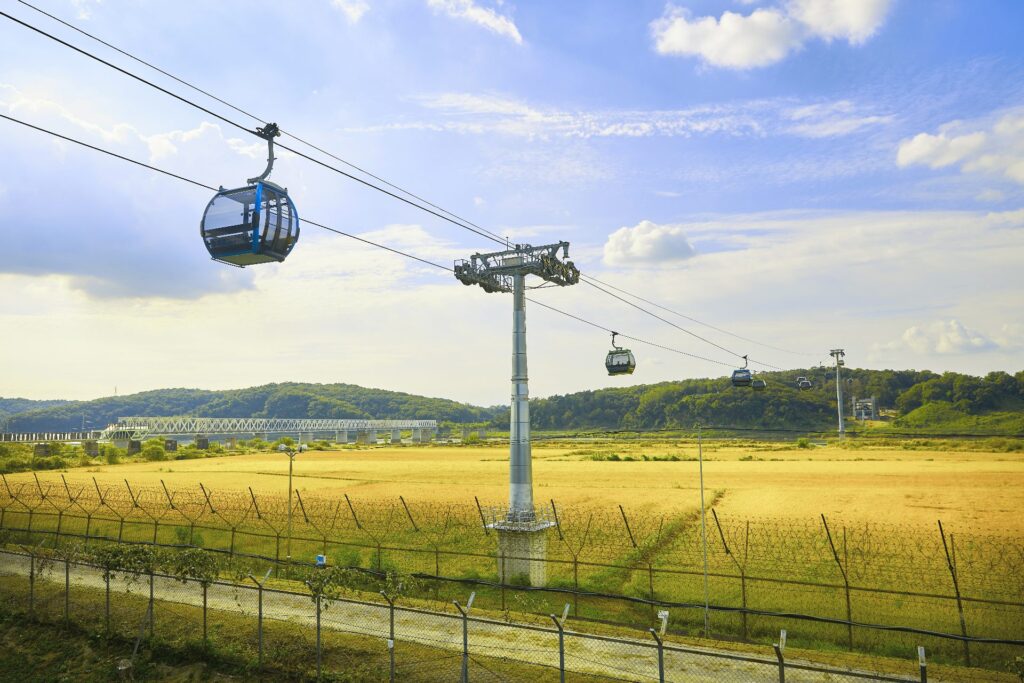
One of the most fun ways to view the DMZ is by taking Korea’s first gondola across the Civilian Control Zone! From Imjingak, you board (passport check again), glide over the Imjin River in a cable car (some with clear glass floors for extra thrill). 850 meters up high, you get bird’s-eye views of barbed wire, the Freedom Bridge, Camp Greaves (famous from K-dramas), and straight into DMZ landscapes. It drops you inside the zone for displays, short walks, and that rare “I’m actually in the DMZ” feeling. Adventurous, scenic, and a total rush. People grin the whole ride, snapping pics and saying, “This is unreal!”
Third Infiltration Tunnel (AKA The 3rd Tunnel of Aggression)
Now things get intense. North Korea dug this secret tunnel in the 1970s to sneak troops south, aiming straight for Seoul. Discovered in 1978, it’s 1.6 km long, narrow, low (about 2m high), and steep. At the entrance, you’ll be given a hard hat, and you’ll need to lock up your possessions like phones and bags (no photos inside). You can then descend the steep path down into the tunnel.
Inside, you feel the damp air, see the black coal-dusted walls (they painted them to claim it was a coal mine spoiler: it wasn’t). You walk to the blockade, just 170m from the actual Military Demarcation Line. Standing there, knowing 30,000 soldiers could have poured through? Mind-blowing. Claustrophobic? A bit. Worth it? 100%. People come out wide-eyed, saying, “I can’t believe they tried this.”
Pro tip: If you have very poor physical fitness, mobility issues, are severely claustrophobic, or, for whatever other reasons, struggle with steep inclines or tight spaces, I suggest you skip the tunnel. However, immediately outside the tunnel is the DMZ Theatre and Exhibition Hall, with many exhibits and video footage; if you do not enter the tunnel, I would recommend checking it out instead.
Dora Observatory
Climb up Mount Dora to this modern lookout. Grab a pair of binoculars (free) and stare north. On a clear day, you can spot Kijong-dong, the Propaganda Village, with its giant flagpole. Look farther: Kaesong city, factories, even distant mountains. South Korean soldiers stand watch. North Korean guards are sometimes visible on their side. The silence is heavy. You realize you’re literally looking into one of the most closed countries on Earth. But the view? Pure goosebumps. Many visitors tear up here. It’s that powerful.
Joint Security Area (JSA) – if included
The blue buildings where North and South face off? Iconic. But here’s the reality: JSA tours have been suspended for the general public since late 2019 (with only rare, limited exceptions). Even when they reopen, the United Nations Command (UNC) caps the numbers at super low levels. You need to book months ahead, and spots vanish fast due to security and political factors. If it ever comes back, it’s a rare chance, but don’t count on it right now.
JSA Museum in the Unification Village
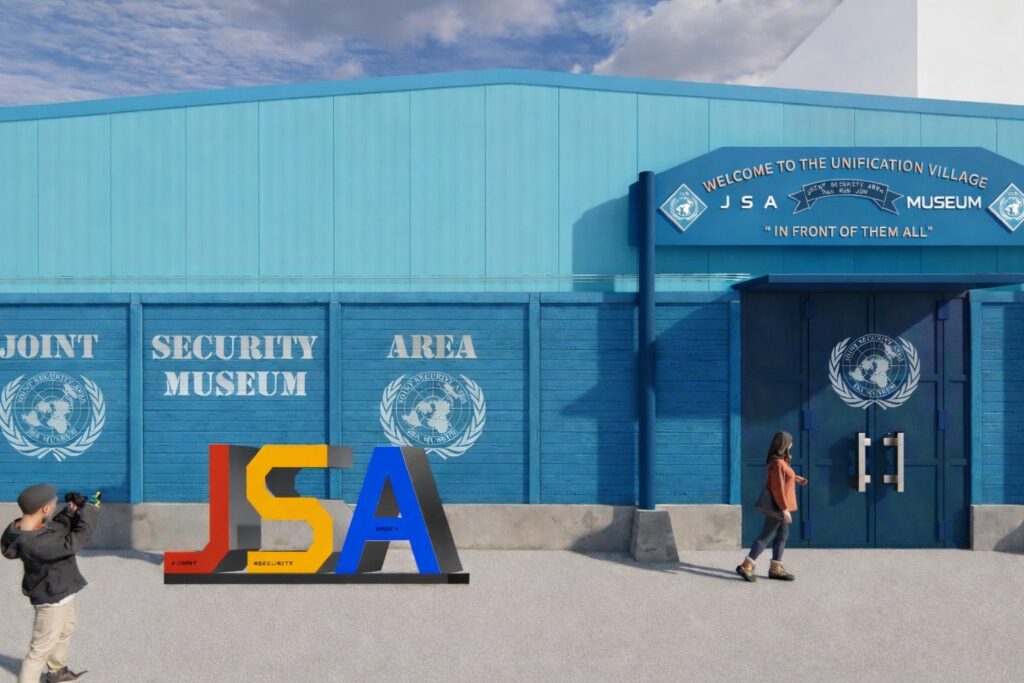
This is our ace. We’re one of only two agencies with exclusive permission to bring you here. No one else gets in!
This interactive Korean War museum recreates the famous T2 and T3 conference rooms from Panmunjom. Exact tables, flags, microphones, and chairs. You walk around freely. Touch (where allowed), explore artifacts, watch multimedia on the armistice talks, division stories, and unification hopes. Photos, videos, and documents, it’s an immersive experience you won’t forget. You feel like you’re in the room where history happened. For many, this becomes one of the highlights: hands-on history no one else offers. If you want the full story without restrictions, this is it. Unmissable. Truly bucket-list stuff.
Pro tip: The only way to access the JSA Museum is to book our DMZ Third Tunnel from Seoul or our Ultimate DMZGO Package tour.
Gamaksan Red Suspension Bridge
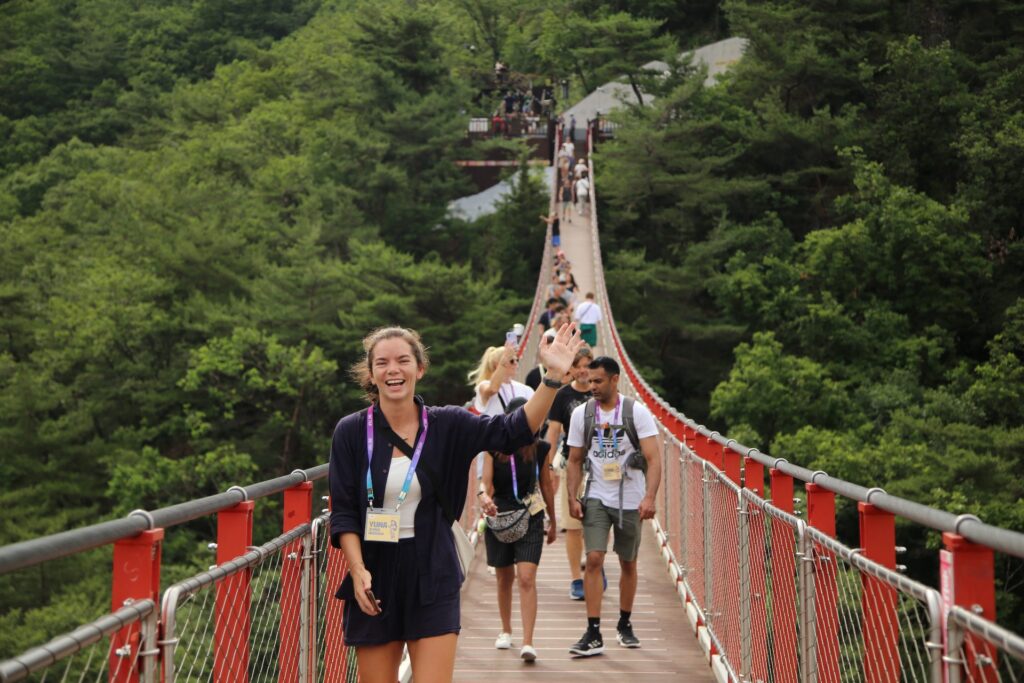
What an adrenaline kicker! This bright red beauty (also called Gamaksan Chulleong Bridge) stretches 150-220m across Silmari Valley on Gamaksan Mountain and was once Korea’s longest towerless suspension bridge. Walk across, feel the gentle bounce, soak in nature its perfect for photos and that “I conquered it” high. Many call this the cherry on the cake: it’s a fun, scenic, and nice breather amid the heavy history.
Why is it included in DMZ tours though I hear you ask? Well, that’s because Gamak Mountain sits right on the edge of the Civilian Control Line, overlooking critical Korean War battle sites, especially Gloucester Hill (Hill 235), where the Gloucestershire Regiment (the “Glosters”) made their legendary stand during the Battle of the Imjin River in April 1951. Outnumbered and surrounded, they held their position for days against overwhelming Chinese forces, delaying the enemy advance and earning the Presidential Unit Citation from both the U.S. and South Korea.
The bridge honors those sacrifices, reconnects historic hiking trails, and lets visitors experience the proximity to the DMZ while reflecting on the war’s impact on this exact landscape. It’s the perfect blend: adrenaline from the crossing, stunning nature, and deep historical significance. Guests often say this stop gives them chills is fun, scenic, and profoundly meaningful.
During the Tour: What It Feels Like Up Close
Your guide keeps it real, sharing balanced facts on the Korean War, current tensions, and peace efforts. Photography? Allowed at most spots but banned at military areas or inside the tunnel. Please respect the rules, follow staff instructions, listen to your guide and pay attention to warning signs and stick to the designated paths. There are still many undiscovered mines and dangers lurking beyond the chains and fences. Soldiers everywhere add tension, but it’s controlled and safe. The mood? Solemn, thoughtful, sometimes heavy but always eye-opening.
Practical Tips: Make Your Day Smooth
Be sure to pack your passport, camera/phone, comfy closed shoes, a jacket, and water proof coat if it looks like a rainy day. Lunch is not included, so bring something with you or purchase snacks or light meals at one of the stops, like Imjingak, Dorasan Observatory, or inside the Unification Village, where you can grab some simple, tasty Korean food, sandwiches, and snacks. Our tours have professional English-speaking guides who explain everything clearly and can help direct you to where you can purchase various items if needed.
Pro tip: Bring some small cash for things like ice cream or souvenirs (DMZ beer or North Korean money, etc.).
This tour isn’t just sightseeing. It’s a journey that makes you think about peace, family, division, and hope. Travelers leave changed, more grateful, and more aware. I’ve seen it hundreds of times.
Ready to cross this off your bucket list? Then book your DMZ third tunnel tour with us today. You’ll get that exclusive JSA Museum access no one else can offer. Spots can fill fast, especially during peak season, so grab yours now and make your Korea trip legendary.
See you on the bus!